Act Climate Labs

A sharper understanding of disengaged audiences, helping Act Climate Labs create climate campaigns that feel more accessible, relevant and resonant.

Method Toolbox

Framing the Problem

We were on a mission to understand the everyday lives, mindsets and concerns of a cohort that doesn’t reject climate change, but also doesn’t see it as an immediate, critical concern and for whom the switch to more sustainable habits does not seem accessible or possible. Ultimately, they weren’t engaged in the conversation, nor felt like they could be engaged.

Our Approach

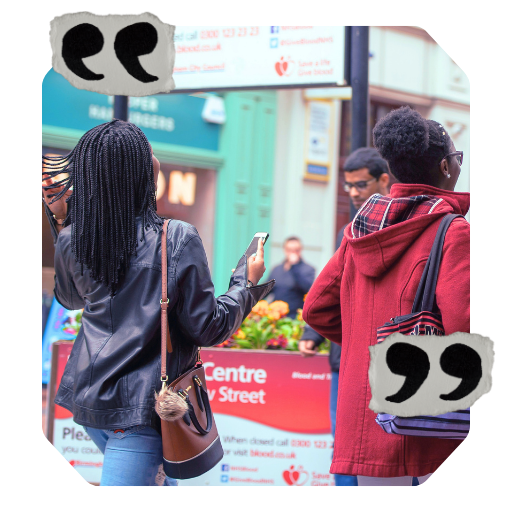
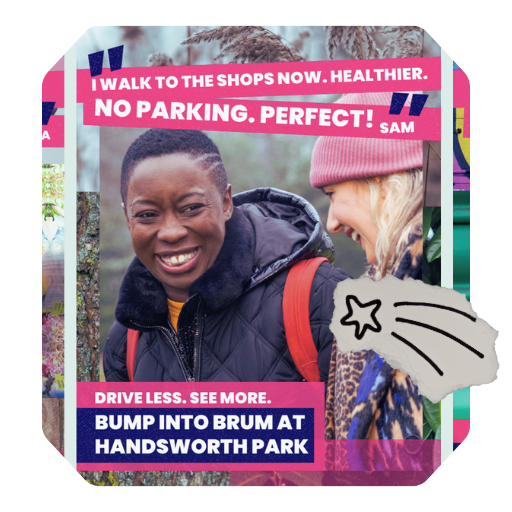
In 2022 we first got on the road and met tribes who tuned us into multicultural Birmingham, who guided us around ex-industrial Newcastle, and who connected us up with rural living in Yorkshire. Whilst all of these segments have firmly valid reasons to be less engaged with climate-change messaging, our ambition was to uncover the deep, personal drivers of each segment that can support ‘moving the needle’ on climate engagement. This was followed up by a further semiotic and culturally immersive experience in 2023, as we visited Aberdeen, Nottingham and Pembrokeshire to uncover the language and narratives used by this cohort.

The Breakthrough

The research and insights garnered remain at the heart of many Act Climate Lab campaigns. They informed new campaigns and helped fine-tune messages to make them more accessible and resonant with audiences outside metropolitan areas / bubbles.

Have a Project? Let’s Talk!

You may also like.

Global Drinks Company – Quarterly Innovation Pipeline 

A repeatable research-to-strategy engine that turns emerging cultural shifts into prioritised white spaces, innovation territories and launch-ready growth opportunities.

ESB – Net Zero 2040

A deep qualitative programme that gave ESB a sharper understanding of public attitudes to climate, energy and an all-electric future - building an evidence base for its Net Zero 2040 strategy.

The Future of Protein for Supplements & Greens

A foresight-led market intelligence study that turned social and cultural signals into clear white-space opportunities for US product innovation and growth.